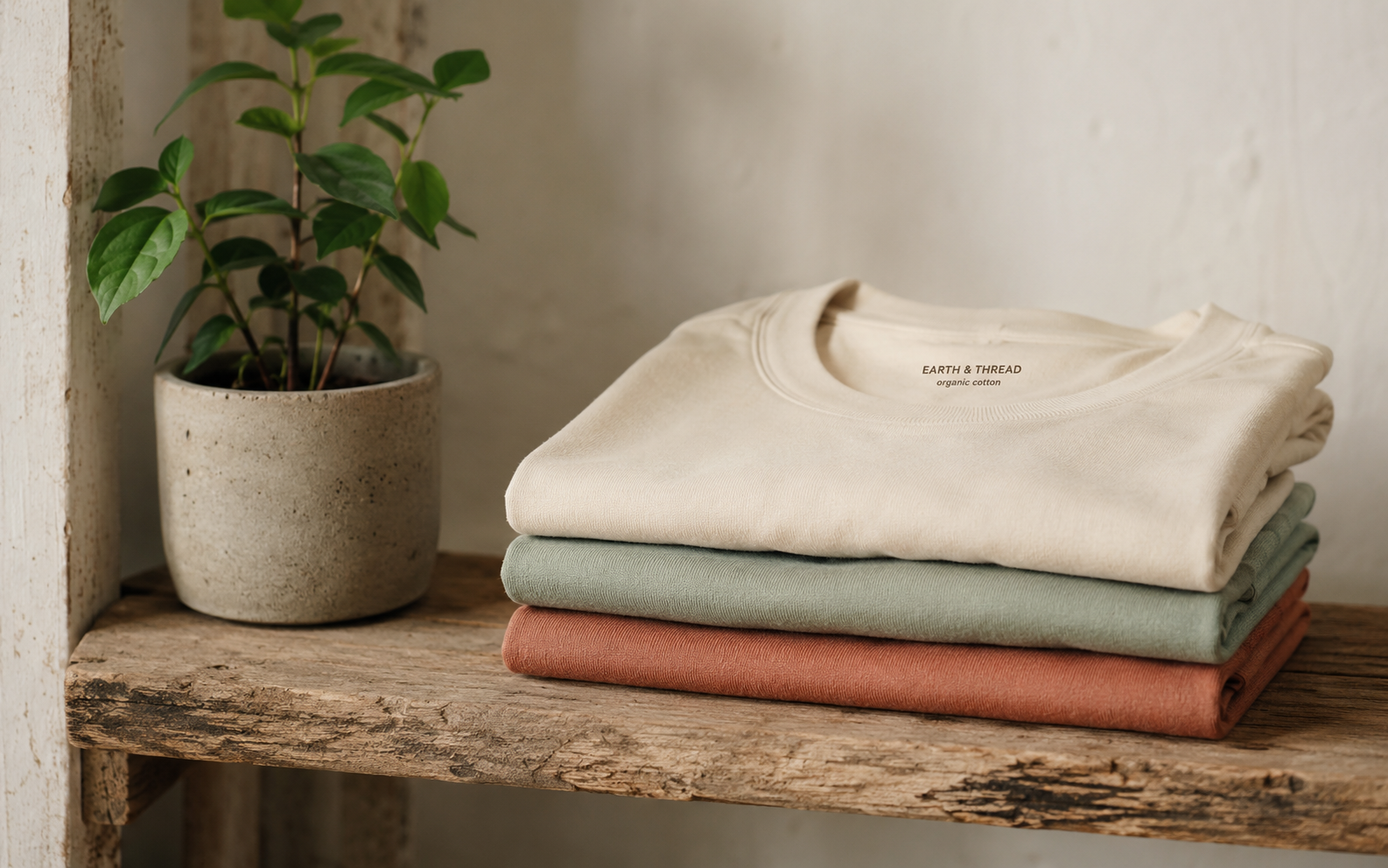
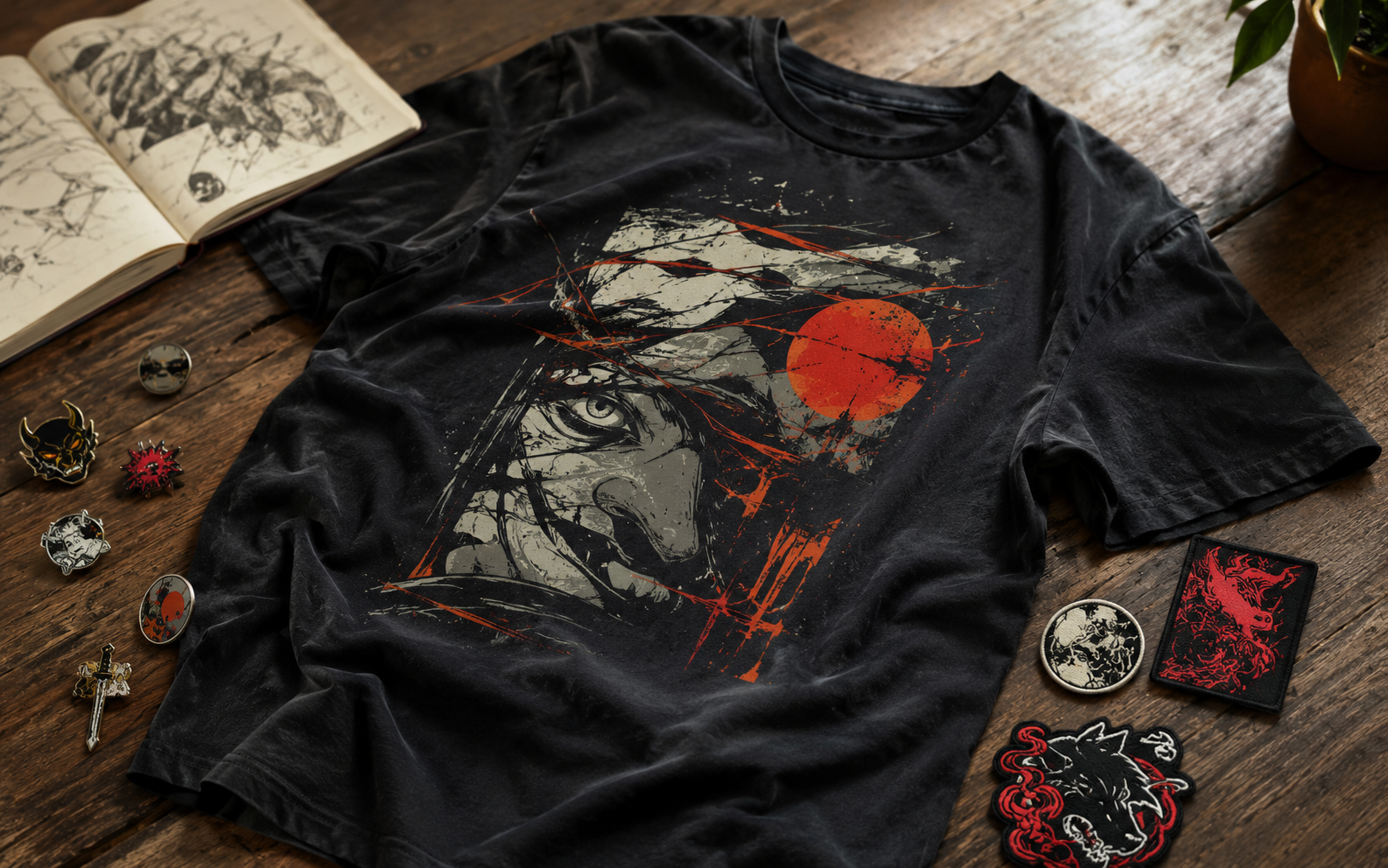
There's a reason you remember what was on someone's t-shirt long after you've forgotten their name. A graphic tee is a declaration. It's the fastest, cheapest, most democratic way to tell a stranger exactly who you are without opening your mouth.
I've worked around print shops and streetwear brands for over a decade, and the one constant is this: the tee you pick off the rack says more about you than your entire LinkedIn profile. It's not about fashion in the traditional sense. It's about identity, worn on your chest like a flag.
The Oldest Form of Wearable Media
Before social media bios, before bumper stickers even, there was the printed t-shirt. The medium hasn't fundamentally changed since the 1960s — a flat surface, some ink, a message. What's changed is who gets to make them. The barrier to entry has collapsed. A kid with a heat press in their garage can produce something that rivals what comes out of a factory in Portugal.
That democratisation is the whole point. When Vivienne Westwood screen-printed provocations onto tees in the '70s, it was punk. When your local skate shop does it now, it's still punk — just with better colour matching and 180gsm ringspun cotton instead of whatever thin blanks were available back then.
What Your Tee Collection Says About You
Open anyone's t-shirt drawer and you'll find an autobiography. Band tees from gigs they actually attended. A faded print from a brand that no longer exists. That one shirt from a pop-up collab that only ran 50 units. Each one is a timestamp, a memory, a statement that felt important enough to wear against your skin.
The best graphic tees work because they're specific. A generic "good vibes" print does nothing. But a well-executed illustration of a concept you care about — whether that's a scientific diagram, a gaming reference, or a political stance — that's a manifesto. It says: this matters to me, and I want you to know it.
Why It Still Works
In an age of algorithmic fashion, where fast-fashion brands can replicate a trend in 72 hours, the graphic tee remains stubbornly personal. You can't algorithm your way to a good tee. The design has to mean something. The print quality has to hold up. The fabric has to feel right at 7am and still look decent at midnight.
That's why the indie print scene is thriving despite everything. People want to wear something that wasn't designed by committee, printed in a run of 500,000, and shipped to every mall on the planet. They want something that feels like it was made by someone who gives a damn.
The graphic tee isn't fashion. It's communication. And the best ones don't need a caption, a hashtag, or a marketing budget. They just need a good design, decent ink, and someone willing to wear their convictions on their chest.