
The t-shirt is one of the most produced garments on earth, and the environmental cost of that production is staggering. From the water required to grow conventional cotton to the chemical runoff from dyeing processes to the microplastics shed by synthetic blends, the humble tee has a footprint that most people never think about. But a growing number of brands — and the customers who support them — are starting to think about it seriously.
Sustainable graphic tees aren't a niche category anymore. They're becoming the expectation, at least among the audience that cares about quality and longevity. The same people who want a 180gsm ringspun cotton blank and a water-based screen print also tend to care about where that cotton came from and how the people who sewed the garment were treated.
What Sustainable Actually Means
The word "sustainable" gets thrown around so loosely in fashion that it's almost meaningless. For graphic tees specifically, it breaks down into three areas: materials, printing, and manufacturing. Each has its own set of trade-offs, and understanding them is the difference between genuine sustainability and greenwashing.
Materials first. Organic cotton uses significantly less water than conventional cotton and eliminates synthetic pesticides. GOTS-certified organic cotton is the gold standard — it covers the entire supply chain from farm to finished fabric. Recycled cotton and recycled polyester blends are gaining traction too, though they come with their own compromises around feel and printability.
Inks and Print Methods
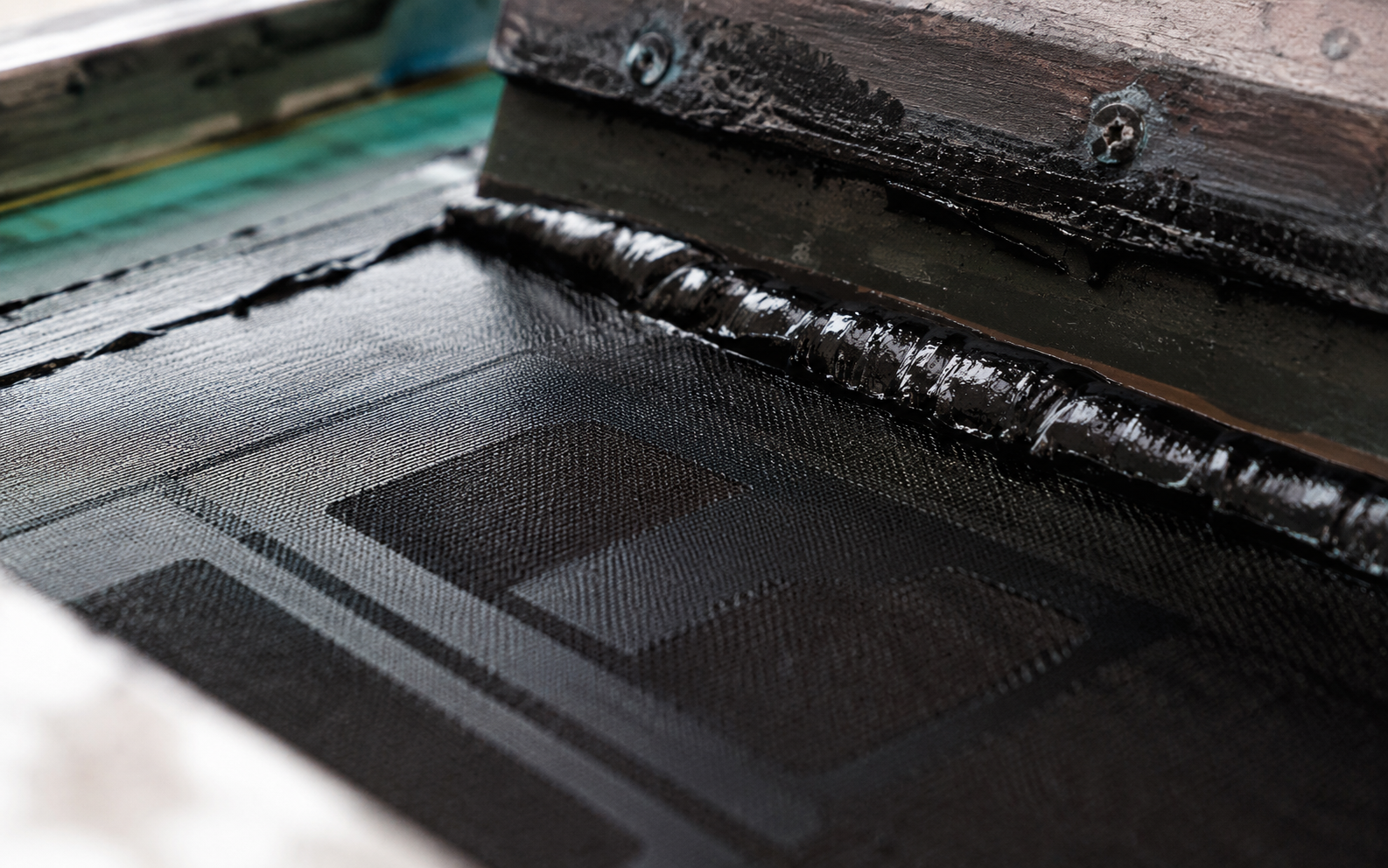
Water-based inks are the sustainable choice for screen printing. They contain no PVC or phthalates, produce less waste, and create a softer hand feel on the finished garment. The trade-off used to be durability — water-based prints were less vibrant and faded faster — but modern formulations have largely closed that gap. Brands like those tracked by Fashion Revolution are leading the way in proving that sustainable printing doesn't mean compromising on quality.
DTG printing is inherently less wasteful than screen printing for small runs because there's no screen setup, no excess ink mixed for each colour, and no cleaning solvents required between jobs. For brands running small-batch drops, DTG on an organic blank is often the most sustainable option available.
The Cost Question
Sustainable tees cost more. An organic cotton blank costs 30-50% more than a conventional equivalent. Water-based inks are more expensive than plastisol. Ethical manufacturing — paying living wages, maintaining safe working conditions — adds cost that fast fashion simply doesn't bear. A sustainable graphic tee might retail for thirty to forty pounds where a fast-fashion equivalent costs eight.
But here's the counter-argument that actually holds up: a well-made sustainable tee lasts longer. The fabric quality is better because organic cotton tends to be longer-staple, producing a smoother, more durable yarn. The print lasts longer because water-based inks integrate with the fibres rather than sitting on top. The cost-per-wear calculation often favours the more expensive, better-made option.
The sustainable tee revolution isn't about perfection. No cotton t-shirt has zero environmental impact. It's about doing measurably better across the supply chain — better materials, cleaner printing, fairer manufacturing — and being honest about the trade-offs. The brands getting this right are proving that quality, sustainability, and good design aren't competing priorities. They're the same priority, expressed in different ways.